
AI for interior design and real estate
Explore a room's palette, furniture and mood from a photo. Use the result as a concept, not an accurate renovation plan.
Example interior animationAn illustrative interior animation, not a documentary video tour. Preservation of windows, layout and dimensions is not guaranteed.
What you can prepare
Choose one task, then review the output and its limitations.
Furniture concept
Describe furniture and decor using a room photo. Compare windows, doors and proportions with the source.
Palette and style options
Explore finishes, lighting and mood. Check specific products and feasibility separately.
Image animation
Animate a selected image. Unseen room areas may be invented; do not present the clip as real footage.
Interior and furniture ideas
An illustrative selection of interior directions. These are not verified pairs of one room and its result: windows, geometry and furnishings may differ.
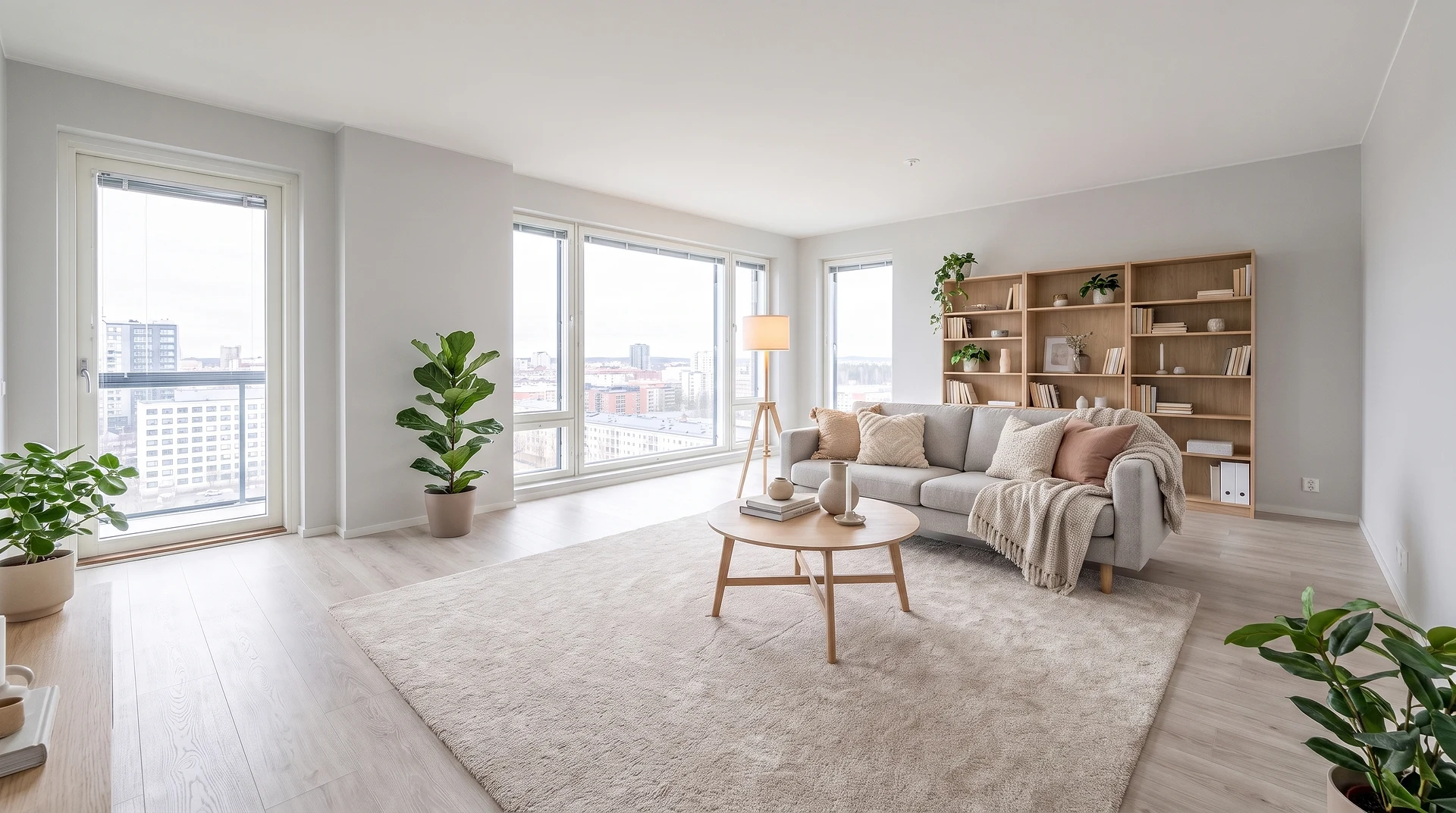 Visual referenceIllustrative example
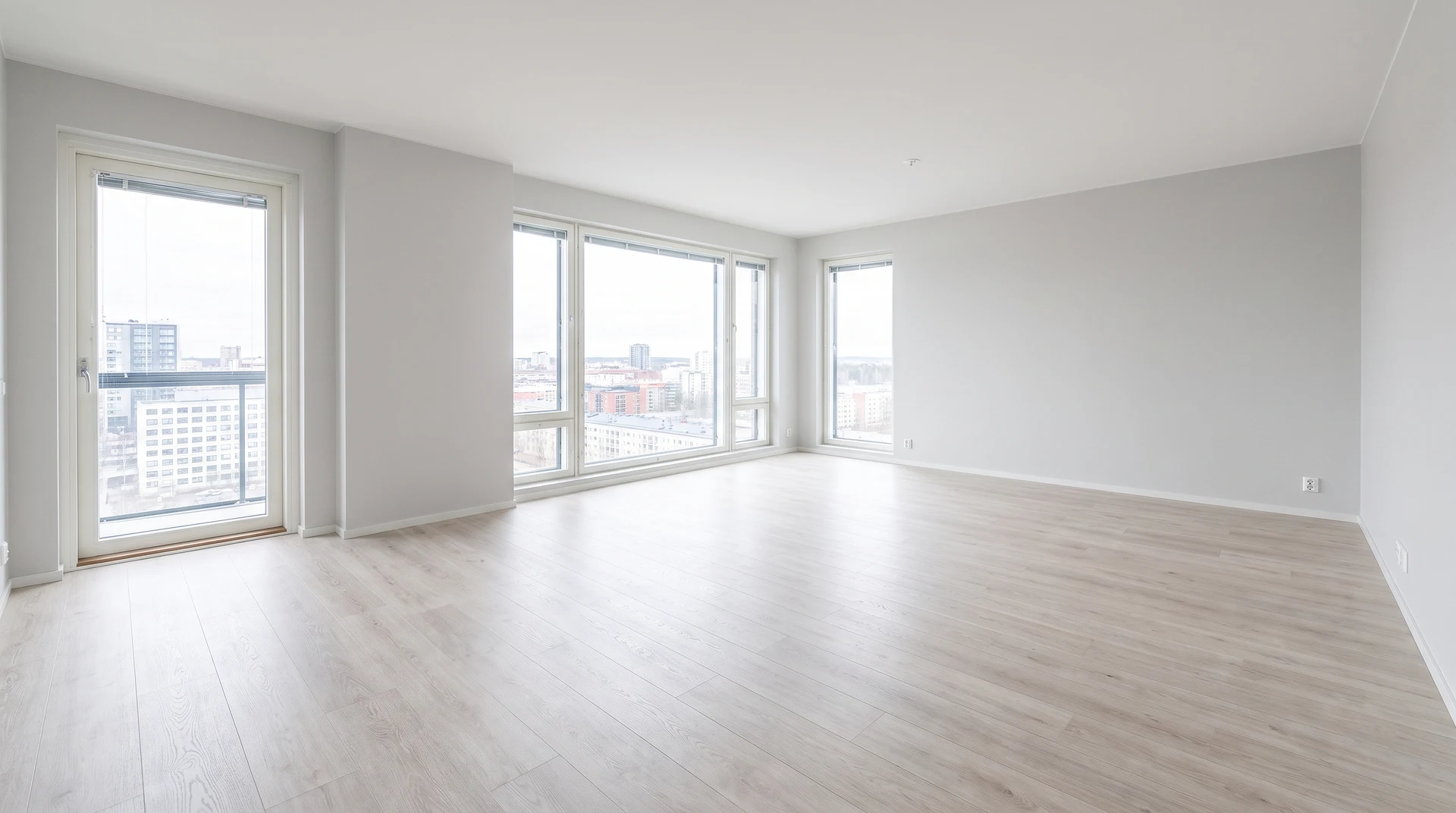
Not just the living room
Explore visual directions for living rooms, kitchens and bedrooms. An image does not replace drawings, measurements or furniture specifications.


How to furnish a room with AI: three steps
Start generation after reviewing settings and cost; the output needs your review.
- 01
Upload a room photo
Use a clear photo you have rights to. Rely on documents and the actual space for measurements.
- 02
Set the style and parameters
Describe the palette, furniture and finishes. Review the model, available parameters and generation cost.
- 03
Compare with the source
Check windows, doors, dimensions and details. Label the image as a concept; prepare the renovation plan separately.
Conditions and limitations
An illustrative interior animation, not a documentary video tour. Preservation of windows, layout and dimensions is not guaranteed.
Paid subscriptions: $10–$115 per month. See tariffs
This is the subscription price range, not the cost of one generation. Credit usage depends on the model and settings; review the cost before starting.
Data-processing conditions are described in the privacy policy. Read the policy
AI for interior design and real estate
Explore a room's palette, furniture and mood from a photo. Use the result as a concept, not an accurate renovation plan.
Interior as a visual idea
Use a room photo to explore palette, finishes and mood. Choose a model and aspect ratio and review the cost. The output shows an idea, not an accurate renovation plan.
Virtual staging and the source
Virtual staging is an illustrative furniture and decor concept. Generation may alter windows, doors, perspective and proportions. Compare with the source and do not present the decor as the property's actual condition.
Dimensions, products and renovation plans
Describe styles for kitchens, bedrooms and living rooms. An image does not establish furniture dimensions, availability of specific products or technical feasibility. Confirm measurements, drawings and materials with a specialist.
Photo animation and real footage
Animate a photo or concept in the video generator. This is not a documentary tour: unseen room areas may be invented. Check geometry and label the conceptual nature of the result before publishing.
Frequently asked questions
About staging, styles and working with property photos
Step 1: upload a room photo showing windows, walls and the main corners. Step 2: describe the desired style, furniture and palette. Step 3: generate a variation and compare it with the source, checking windows, doors and proportions. The result is a furnishing concept, not an exact design: geometry and dimensions are not guaranteed to be preserved.
Virtual staging is a visual furnishing concept based on a room photograph. AI can add furniture and decor, but may also change room elements and perspective. Compare the result with the source and clearly state that it shows a styling option, not the property's actual condition.
Preservation of the layout, windows and doors is not guaranteed: generation may change geometry and small details. Compare the result with the source photo before publishing. Verify dimensions and the actual layout against measurements and property documents, not the generated image.
Step 1: choose a room photo or a prepared furnishing concept. Step 2: upload it to the video generator and specify camera movement and available settings. Step 3: check the cost, start generation and review the result before downloading. This is photo animation, not a documentary property tour: unseen parts may be invented and geometry may change.
You can describe Scandinavian style, minimalism, classic interiors, loft, japandi, boho or your own combination. Generate variations and compare furniture, palette and composition. These are illustrative concepts: verify exact products, dimensions and practical feasibility separately.
Yes, as a visual concept: a room photo helps explore palettes, finishes and the overall interior mood. A generated image does not replace construction drawings, measurements or a materials specification. Before renovation, agree on the design with a designer and contractors and verify technical feasibility.
To generate a concept, upload a photo and describe the desired interior; 3D-modeling skills are not required. After processing, compare the result with the source and select a suitable variation. Actual renovation or precise furniture placement requires measurements and professional review.
It depends on your plan: Basic is for personal, non-commercial use, Standard covers publishing on websites, social media and in ads, while Pro and Ultima include an extended commercial license. You must also hold the necessary rights to source material, brands and identifiable people.
Generation uses Clipia account credits. Cost depends on the model and settings; review it before starting. Paid subscription and pack conditions are listed on the pricing page.
Explore a new mood for your room
Start with one task. Review settings and cost, then check the output before publishing.